Neighborhood Guide
Wake Forest
A grounded read on Wake Forest, the historic small town north of Raleigh that grew into a commuter favorite, for anyone weighing a move.
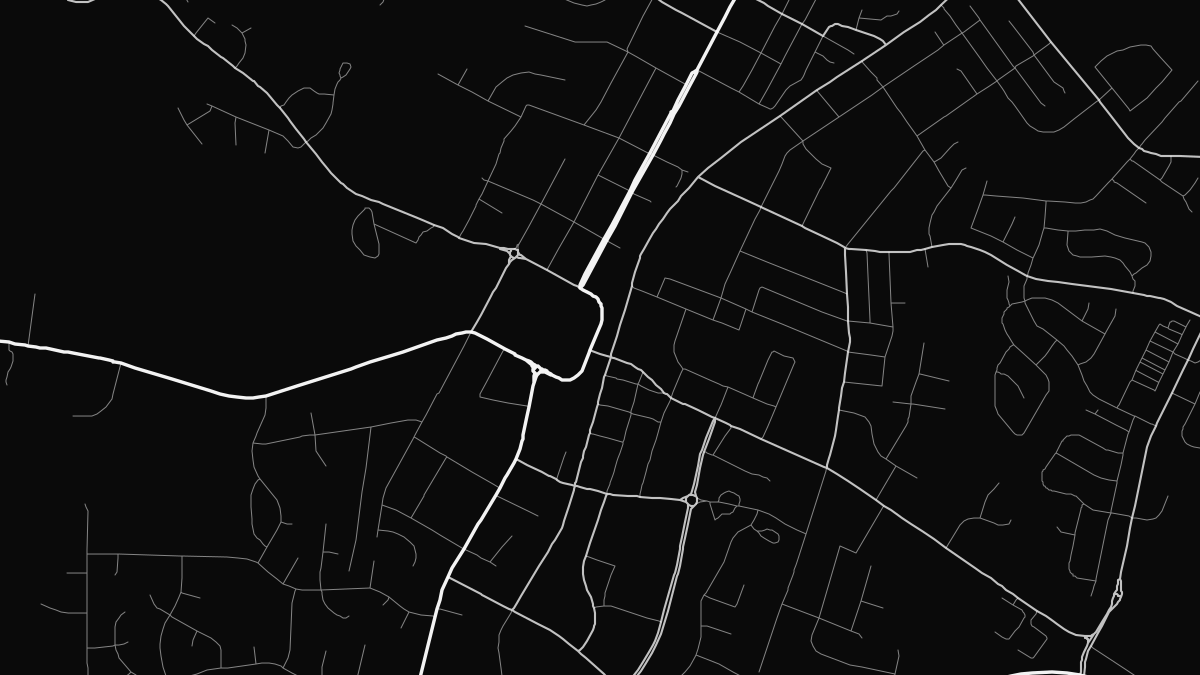
Wake Forest sits north of Raleigh, a town that began around a college campus and kept its historic core even as it grew into one of the region’s favorite commuter addresses. People choose it for the small-town center, the newer family neighborhoods around it, and pricing that has historically offered more house than the same money buys closer in. This guide is the read we give clients before the first showing, so a home fits the life you are building rather than the search filter you started with.
How Wake Forest Is Laid Out
The historic downtown is the heart, a walkable core of storefronts and older homes that predates the growth around it. The town’s original identity was a college town, and the old campus area still carries that character. Radiating out from downtown are the master-planned communities that drove the modern boom, led by golf-course neighborhoods on the town’s flanks. The US-1 corridor runs the town’s western edge and is both its lifeline to Raleigh and its commercial strip, so the practical geography is simple: character clusters around downtown, convenience clusters along the highway, and the newest construction pushes toward the town’s edges.
The Neighborhoods People Ask About
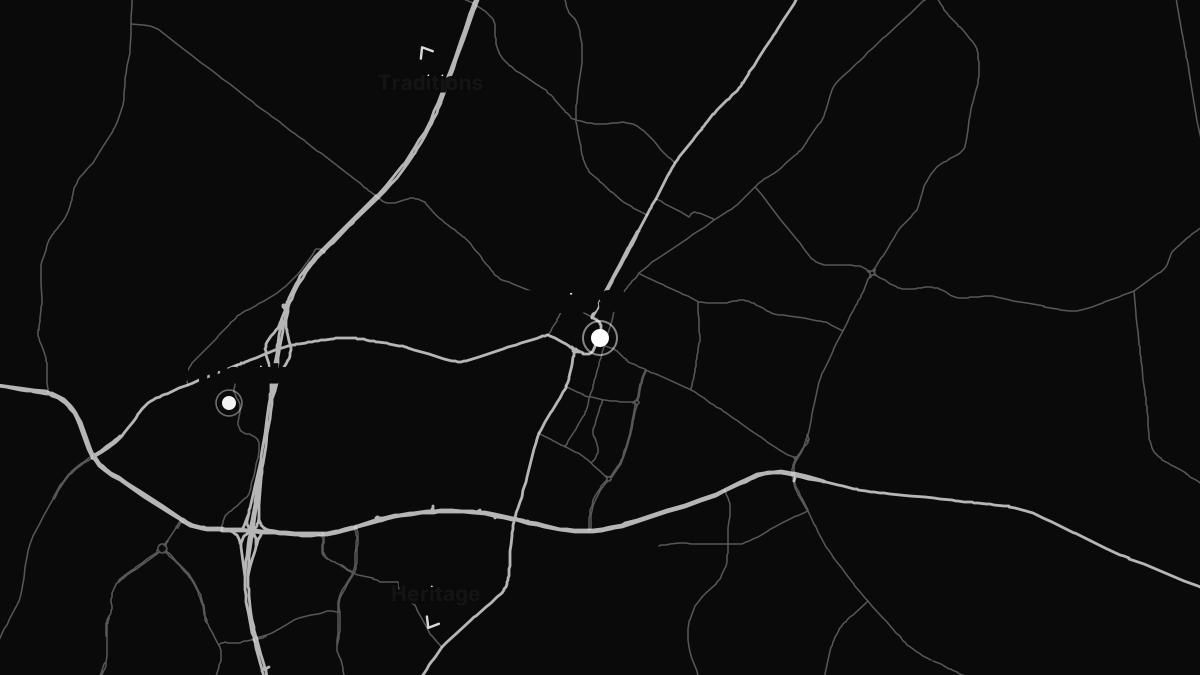
- Downtown and the historic district. Older homes on established streets within walking distance of the shops and restaurants of the town center. The scarcest inventory in town.
- Heritage. The large master-planned golf community that defined modern Wake Forest, with a wide range of home styles and its own schools, shops, and amenities woven in.
- Traditions and the newer north side. Newer master-planned neighborhoods for buyers who want recent construction and community amenities.
- The US-1 corridor. Not a neighborhood so much as the axis of daily life, and how close you live to it shapes both your commute and your soundtrack.
Commute and Daily Life
Here is the honest trade-off: Wake Forest sits on the far north side of the region, and Research Triangle Park is on the far west side. If your work pulls you to RTP daily, this is one of the longer commutes the Triangle will ask of you, and we make sure you feel that before you commit. If you work in north Raleigh, downtown Raleigh, or from home, the math changes completely, and the town’s self-contained daily life, with its own shops, schools, and downtown, means many residents rarely need to leave.
Schools and Growth
Wake Forest sits primarily in the Wake County school system, whose assignment model does not map neatly to your street, so we confirm the specifics for any address you are serious about rather than assume them. The town’s growth story is the classic Triangle arc, small town to commuter town in a generation, and the pace shows in the roads and the school pipeline. Buyers who understand which phase a neighborhood is in, established or still building out, make better decisions here than buyers who shop the town as one market.
The Housing Stock, Honestly
Wake Forest’s stock is a small historic core wrapped in a large modern town. The downtown and old campus blocks hold the scarcest product for miles: older homes on established streets that trade rarely and ask for the same systems-first diligence any century of ownership does. Heritage and the golf-course communities that built the modern town are now mature, which cuts both ways: proven resale, grown trees, settled amenities, and original roofs and mechanicals reaching replacement age on the earliest streets. The newest neighborhoods push toward the town’s edges, where builders are still working and the trade is fresh construction against a longer reach to everything. And past the edges, the market shifts to acreage and custom homes where well and septic replace city services, a different kind of ownership that suits a different kind of buyer.
Before You Offer Here
The checks that matter most here are honest ones about daily life. Drive the commute at the hour you would actually drive it, especially if work pulls you toward RTP or downtown Raleigh, because the corridor at eight in the morning and the corridor at noon are two different roads, and this is the purchase decision Wake Forest most often gets wrong. In the golf communities, understand what the HOA covers and what the club costs separately, since the membership is usually its own decision with its own price. Where the builder is still active nearby, weigh your eventual resale against the sales office you will compete with. On the outskirts, confirm early whether the address runs on well and septic and which county actually taxes it, because the town’s edges cross jurisdiction lines that change the bill. Get those right and the town delivers exactly what it promises, which is more home and more town than the same money buys closer in.
How We Use This
A neighborhood guide is a starting point, not a verdict. When we work together, we translate this into your specifics: your commute, your must-haves, and the way you plan to live in the home. Buying is really buying for two people, you today and the buyer you sell to later, and Wake Forest’s small-town premium rewards getting both right.
Street map data © OpenStreetMap contributors