Neighborhood Guide
Chapel Hill
A grounded read on Chapel Hill, the Triangle's university town of walkable streets, older homes, and higher taxes, for anyone weighing a move.
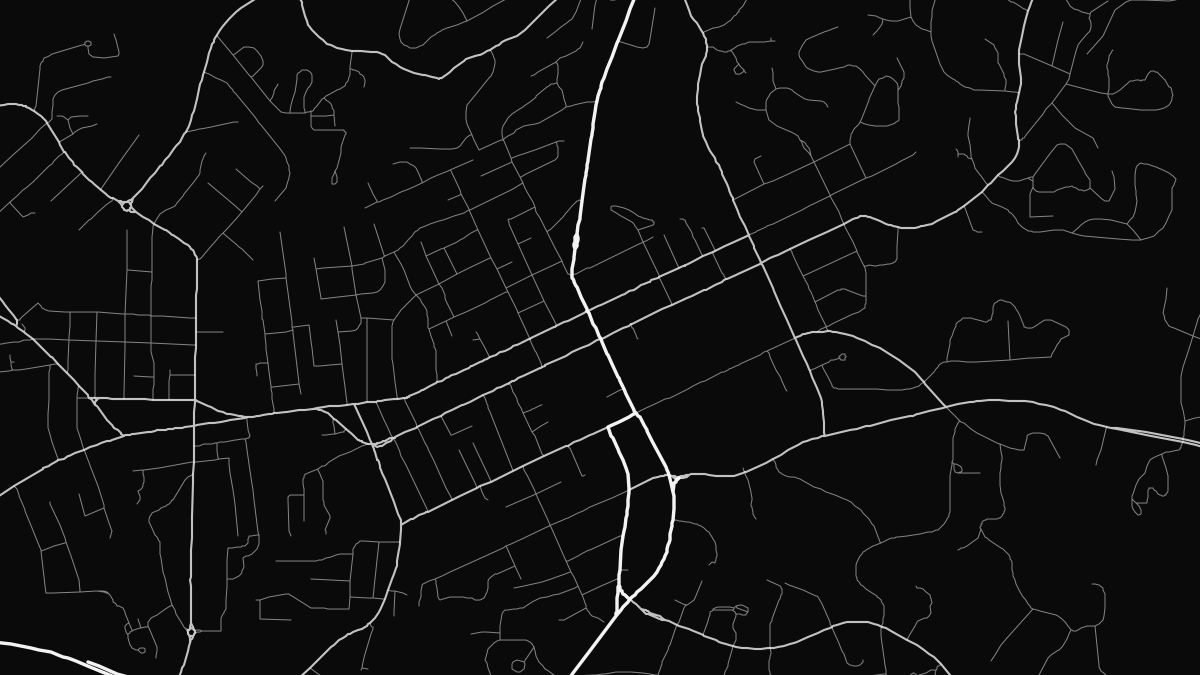
Chapel Hill is the university corner of the Triangle. UNC sits at its center, Franklin Street runs along the campus edge, and the whole town takes its rhythm from the academic calendar. People choose it for the walkability, the trees, and a culture that feels closer to a college town in New England than to the newer suburbs east of it. This guide is the read we give clients before the first showing, so a home fits the life you are building rather than the search filter you started with.
How Chapel Hill Is Laid Out
The town grew outward from the university, and it shows. The neighborhoods closest to campus and Franklin Street are the oldest, with mature trees, smaller lots, and housing stock that predates most of what the rest of the Triangle is selling. Carrboro sits directly to the west and functions as a second downtown, funkier and a little less polished, and many buyers shop the two towns as one market. Farther out, Chapel Hill has deliberately limited sprawl, so newer construction tends to cluster in a handful of planned communities rather than spreading in every direction the way it does in Wake County.
The Neighborhoods People Ask About
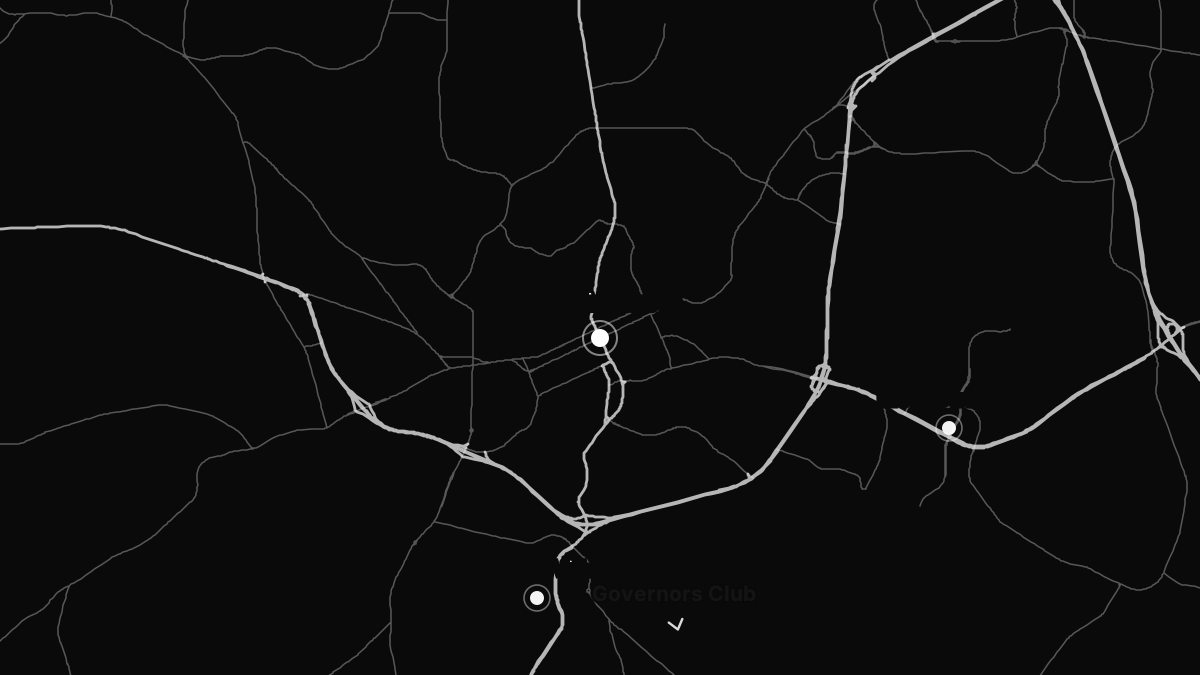
- Downtown and the Franklin Street side. Historic homes within walking distance of campus, restaurants, and the life of the town. Inventory is old, scarce, and fiercely held.
- Southern Village. A master-planned village on the south side with its own center, a walkable design, and a strong pull for families who want new-ish construction without leaving town.
- Meadowmont. A planned community on the east side toward Durham, convenient to the hospital corridor, with a mix of homes, townhomes, and condos.
- The Governors Club direction. South of town the market shifts to gated golf communities and larger lots in Chatham County, for buyers who want the Chapel Hill orbit with more land and privacy.
Commute and Daily Life
Chapel Hill sits at the western edge of the Triangle, which is a lifestyle choice as much as a location. The university and the hospital system are the anchors, and if you work at either, daily life is simple. If you work in Raleigh or the eastern side of the region, you are signing up for the longest commute of the three corners, and we make sure you feel that honestly before you commit. In exchange you get a town where more of life happens on foot than anywhere else in the region.
Schools, Taxes, and Trade-Offs
Chapel Hill and Carrboro run their own city school district, separate from the county system, and its reputation is a major reason families pay the premium to be here. The premium is real: Orange County property taxes run meaningfully higher than Wake County’s, and the older housing stock means more homes that need eyes on the systems, not just the finishes. We walk every serious buyer through both, because the town rewards people who go in clear-eyed.
The Housing Stock, Honestly
Chapel Hill’s stock is the oldest story in the Triangle: the town stopped sprawling on purpose, so the houses do the aging. Close to campus, the pre-war and midcentury homes are scarce, tightly held, and often on their second or third renovation, which makes the quality of the last one the real subject of any showing. The leafy sixties and seventies neighborhoods carry ranches and split-levels with great lots and original-era systems in every state of repair. Southern Village and Meadowmont supply the planned, newer-construction chapter for buyers who want the town without the vintage. And south toward Chatham County, the market changes species entirely, to gated golf communities and acreage where the Chapel Hill orbit comes with land and privacy. Because supply is deliberately constrained, every one of these segments runs tighter than its equivalent in Wake County, and patience is part of the purchase price.
Before You Offer Here
The homework here is specific. On the older stock, budget your inspection attention for systems, not finishes: roofs, panels, plumbing, and the crawlspace, because the charm is real and so is the deferred maintenance that sometimes hides under it. On the southern and western edges, ask early whether the property runs on well and septic, since plenty of addresses in the Chapel Hill orbit do, and both are ownable but neither should be a surprise. Run the Orange County tax math into your actual monthly payment rather than discovering it at closing, because the premium over Wake County is real and it moves the budget. Near campus, know that you may be bidding against investors pricing the home as student rental income, which explains offers that seem to ignore the comps. And in the historic districts, confirm what exterior changes require approval before you plan the renovation. The town rewards the clear-eyed, and it always has.
How We Use This
A neighborhood guide is a starting point, not a verdict. When we work together, we translate this into your specifics: your commute, your must-haves, and the way you plan to live in the home. Buying is really buying for two people, you today and the buyer you sell to later, and Chapel Hill’s scarce inventory rewards getting both right.
Street map data © OpenStreetMap contributors